Boeing KC-135 Stratotanker V1.0.0.0 FS25
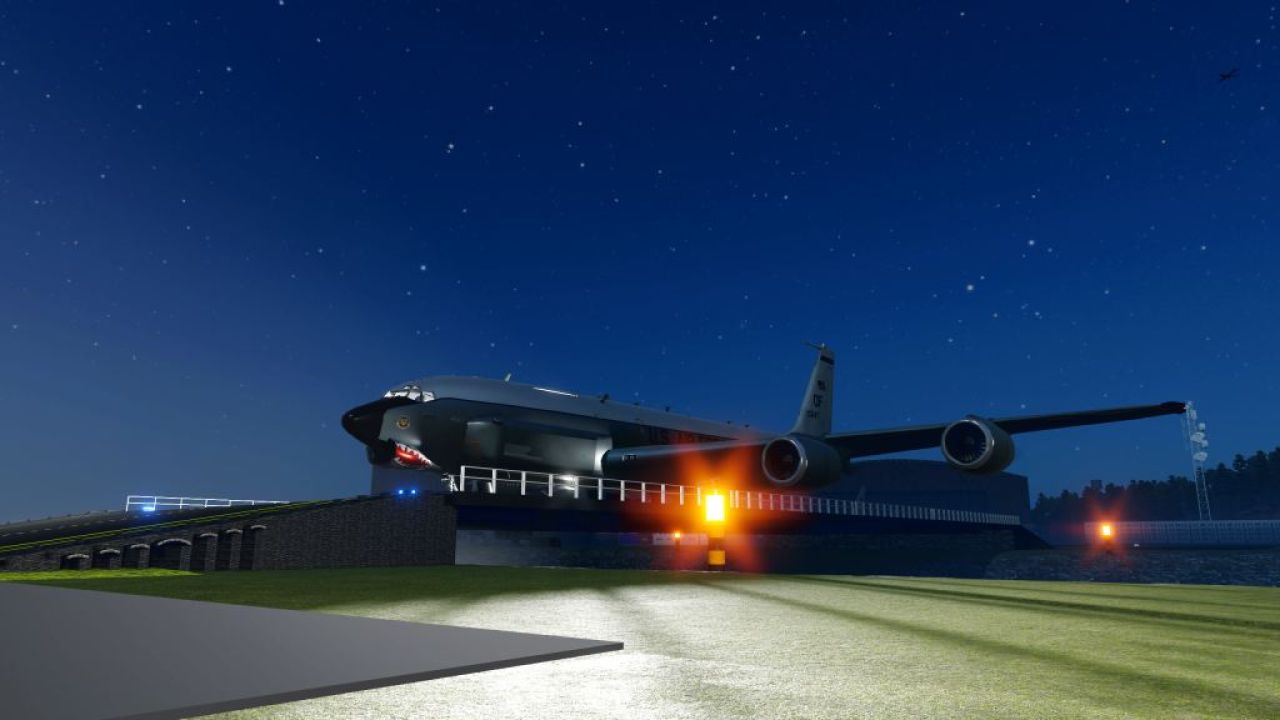

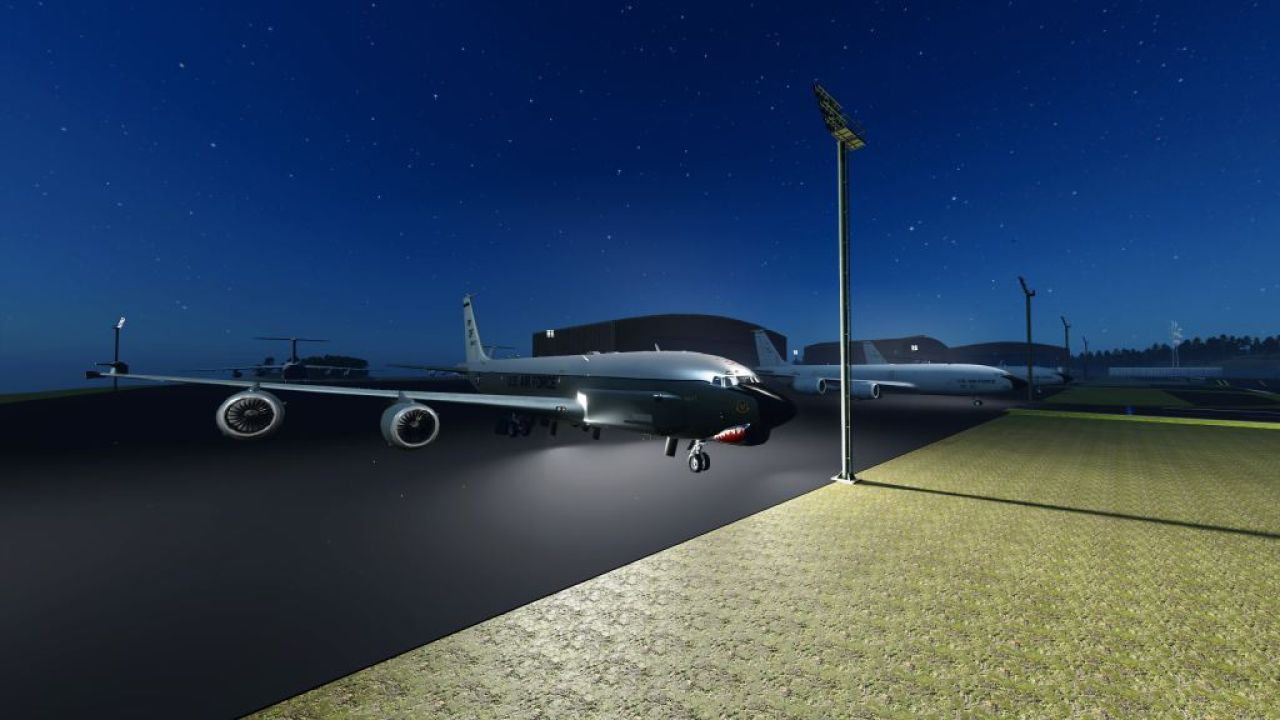
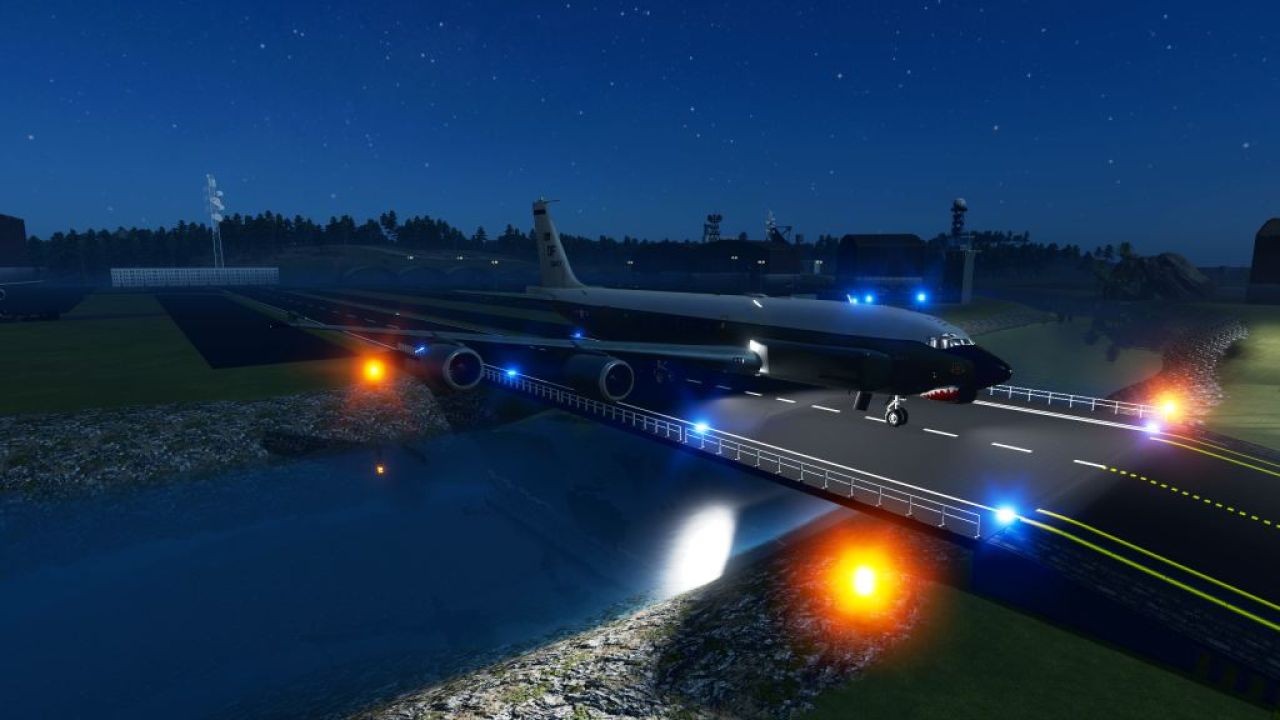
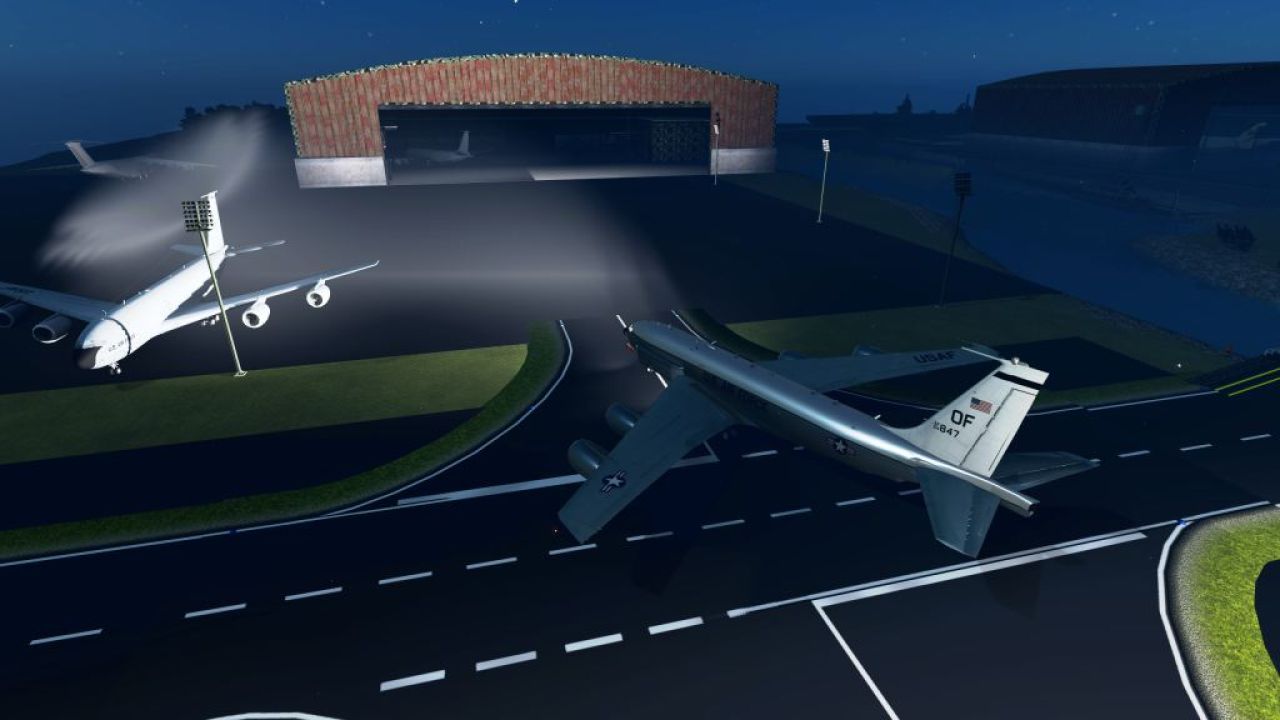
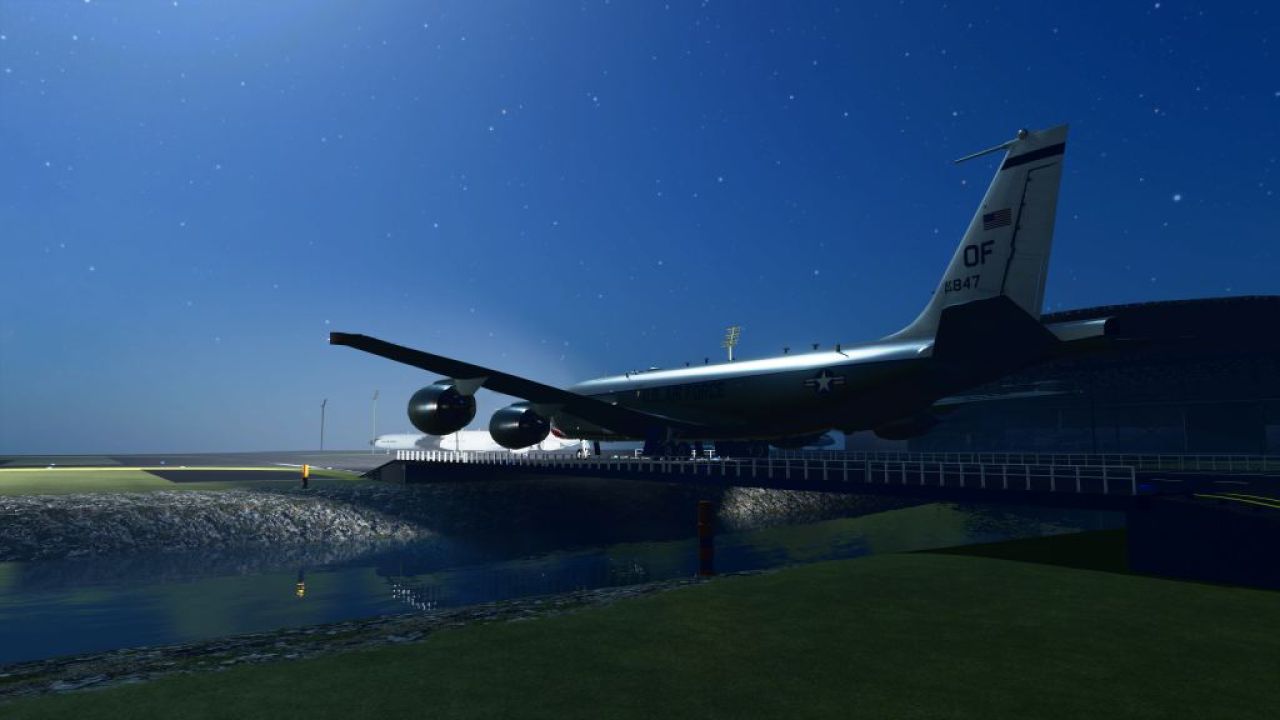
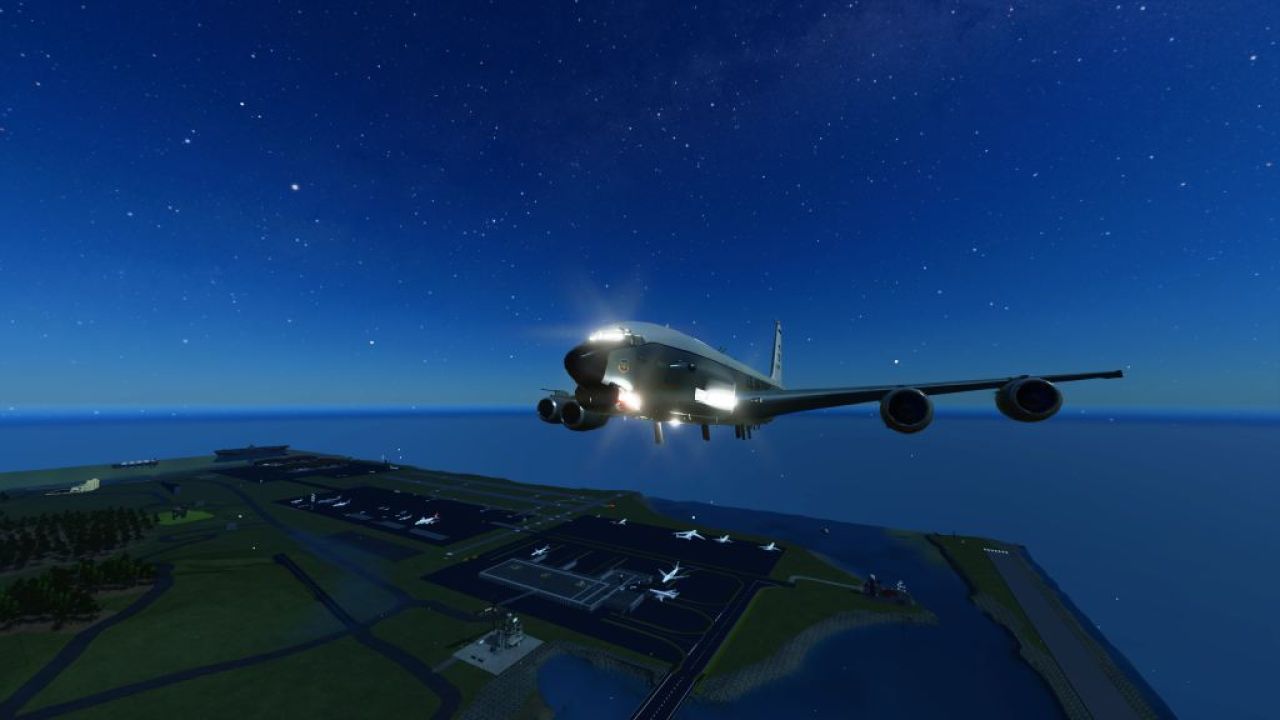
Boeing KC-135 Stratotanker V1.0.0.0 FS25
Boeing KC-135 Stratotanker: Comprehensive Technical and Strategic Description
Introduction and Historical Background
The Boeing KC-135 Stratotanker is a four-engine strategic military tanker aircraft developed and manufactured primarily by Boeing for the United States Air Force (USAF). Derived directly from the Boeing 367-80 prototype (the same lineage that spawned the successful Boeing 707 commercial airliner), the KC-135 made its maiden flight in August 1956 and officially entered active service in June 1957.
For decades, it has established itself as the undisputed backbone of the Western world’s aerial refueling fleet, enabling the projection of global air power without relying exclusively on foreign air bases or intermediate stops.
Technical and Structural Specifications
Engine Configuration and Propulsion: Originally equipped with Pratt & Whitney J57 turbojet engines, the vast majority of the KC-135 fleet underwent a massive re-engining program, adopting CFM International CFM56 turbofan engines (designated in military service as the F108). This upgrade dramatically increased thrust, improved fuel efficiency by over 25%, and significantly reduced its acoustic footprint and pollutant emissions.
Aerial Refueling System (Boom System): The tail section features a rigid, telescopically extendable flying boom aerodynamically controlled by a boom operator stationed facing rearward in the back of the fuselage. Additionally, many airframes have been adapted or equipped with probe-and-drogue systems to support aircraft from the US Navy, Marine Corps, or international allies.
Payload Capacity and Cabin Space: The main fuselage deck not only houses massive internal structural fuel tanks capable of transferring over 90,000 kg of fuel, but it also features a reinforced floor capable of simultaneously transporting military palletized cargo and passengers, fulfilling a dual logistical and strategic airlift role.
Multi-Mission Platform: Its versatile design has enabled the development of multiple specialized variants, such as the RC-135 for electronic intelligence and strategic reconnaissance missions (SIGINT/RC), and the OC-135 for observation missions under the Open Skies Treaty.
Summary and Tactical Utility in the Modern Theater
Global Force Multiplier: The Stratotanker’s primary role consists of exponentially extending the combat radius, loiter time, and weapons payload of strategic bombers (such as the B-52, B-1, and B-2), tactical air-superiority fighters, and airborne early warning (AWACS) aircraft.
Mobility and Aeromedical Evacuation: Beyond its primary role as a flying gas station, the KC-135 has played a critical role in international logistics airlift operations, rapid deployment troop transport, and aeromedical evacuation (MEDEVAC) missions, transporting severely wounded personnel from distant theaters of operation to high-complexity medical centers.
karl zu